

A school picnic checklist in Noida should give the return journey as much attention as the first activity. At Veda Adventures in Sector 150, agree on the final regrouping point and the time teachers begin preparing for departure. Students need time to collect belongings, use washrooms and return to their bus groups. The last activity should fit around those steps. A clear finish lets staff complete the school’s checks without trying to recover lost time while vehicles are waiting. When comparing Best school outing places in Noida, check class-wise activity suitability, teacher coordination, meals and the bus schedule together.
Set the last activity against departure
Work backwards from the bus departure and identify when activities must finish. Include any final snacks or departure packs in that window. Tell the coordinator which time is firm so the programme can be adjusted early. Avoid relying on the final whistle as the moment students become ready to board; several necessary movements still follow the last station.
Use one final regrouping point
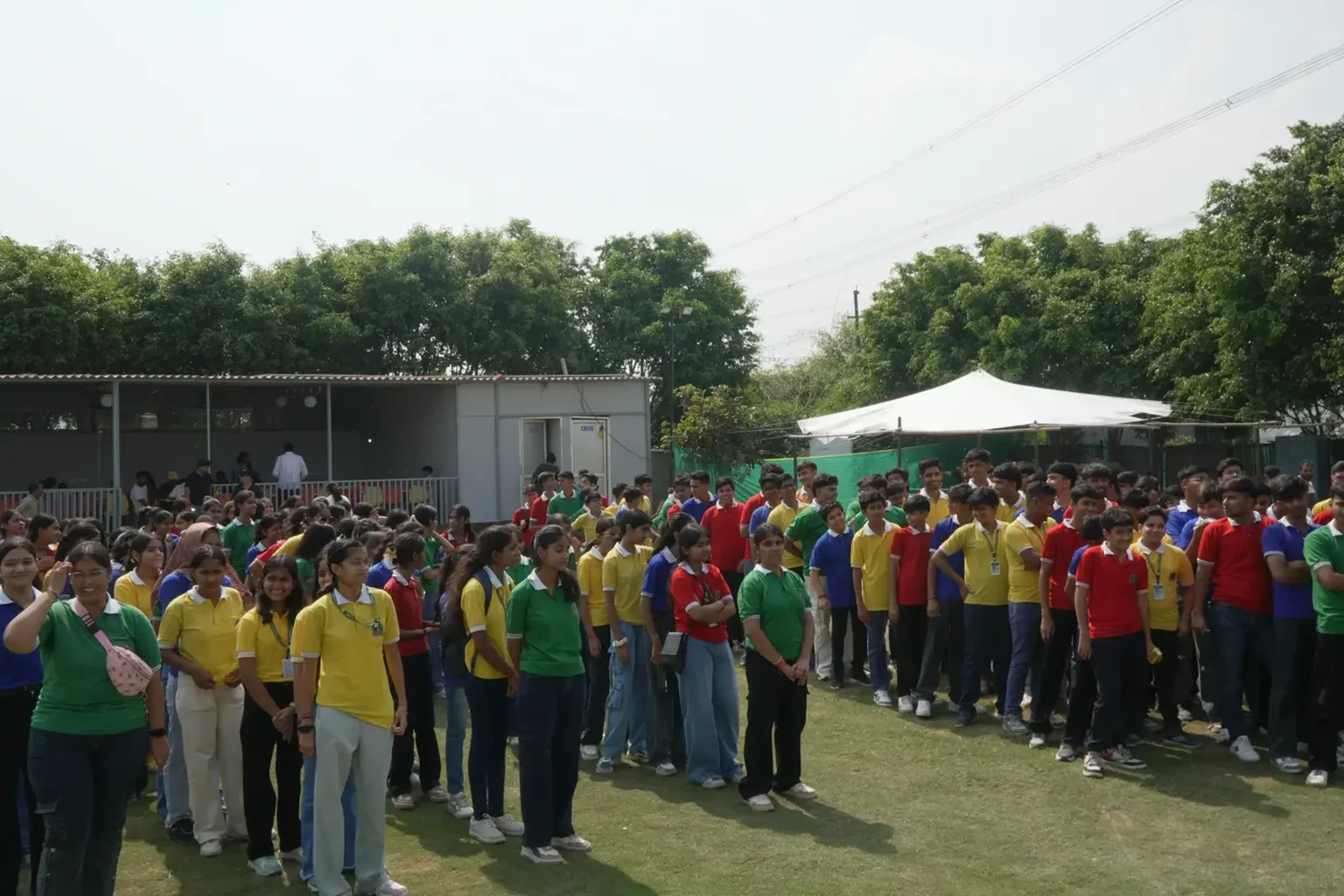
Ask where students assemble before returning to buses. Keep classes or vehicle groups identifiable and make sure teachers know which list to use. A single final meeting point is easier to check than several small groups moving independently towards the parking area. If the school needs staged boarding, agree on the sequence and who releases each group to its bus leader.
Collect belongings before the bus check
Give students a clear opportunity to gather bags, bottles and any other belongings. Ask teachers to complete the planned washroom break before the final boarding sequence. Keep a process for reporting an item left behind without sending students back on their own. These small steps take time, so put them in the programme rather than treating them as tasks that can happen simultaneously.
Complete the school’s return procedure
Reconcile groups against the authorised passenger lists and follow the school’s sign-off process before departure. Tell the lead organiser when each vehicle is ready. If travel conditions change, use the school’s agreed update route for parents. Keep the final programme and contact list with accompanying staff so the return arrangements remain clear even when the lead teacher is handling another question.
A departure example: an activity runs close to the boarding window
For example, a final station may take longer than the organiser expected while buses are due to depart at the agreed time. Contact the coordinator through the school’s lead organiser and review the remaining programme. Protect the essential belongings, washroom and headcount steps rather than asking teachers to complete them while students are already boarding. Use the confirmed final assembly point and release groups according to the school’s procedure. Send any return update through the agreed communication route. The purpose of a departure checklist is to make the final decisions clear before the group is under time pressure. It should identify responsibilities and the steps that still need completion, rather than simply repeat the intended bus departure time.
Your planning checklist
| Decide | What to record |
|---|---|
| Finish time | End activities early enough for refreshments, belongings and the planned checks. |
| Regrouping | Use a confirmed final assembly point and identifiable class or bus groups. |
| Boarding | Follow the authorised lists, responsibilities and school departure sign-off process. |
Check the ₹800 school package and its inclusions
The school picnic package is ₹800 per student, with GST extra. The published plan includes 12–14 age-appropriate activities, welcome snacks, lunch, evening snacks, entertainment and departure juice or a goodie pack. One accompanying teacher is complimentary for every 10 students. The school page lists a minimum group of 40 students; discuss a different headcount directly with the coordinator.
Read the school outing package alongside your dated proposal. Confirm the activity rotation, menu, teacher arrangements and supervision responsibilities for the actual classes attending. ATV riding and paramotoring are excluded and require separate arrangements. A sample timetable is a planning reference; your bus arrival and school return requirements need an agreed schedule of their own.
Make the arrival and enquiry practical
Veda Adventures is on Shafipur Road, beside Peter’s Ranch, in Sector 150, Noida, near the Noida–Greater Noida Expressway. The displayed park hours are 8 AM–8 PM; confirm your group reporting time or booked activity slot. Check the route for your actual departure point and keep the venue contact with the person managing the journey.
Send the team your preferred date, headcount, age mix, priorities and meal needs in one message. Add an arrival window and a realistic return requirement. Ask for any must-have experience and its inclusions to be confirmed before finalising the rest of the day. Keep the response with your organiser so every guest receives the same information.
Frequently asked questions
When should the final school activity finish?
Set it by working backwards from departure and allowing time for food, belongings, washrooms and checks.
Should students go directly from stations to buses?
Use the school’s agreed regrouping and boarding procedure rather than independent movement.
Who checks the final passenger list?
Assign responsibility through the school’s trip plan and make the bus leaders and lead organiser aware of it.
How should a delayed return be communicated?
Use the school’s confirmed parent-update process and keep the message based on the actual journey information.
How can a school avoid rushing the final boarding checks?
Set the last activity against the required departure and protect time for refreshments, belongings, washrooms and regrouping. Assign responsibilities in advance and communicate changes through the lead organiser so the final procedure remains coordinated.