

School adventure activities in Noida should be planned around the classes attending. At Veda Adventures in Sector 150, share student numbers by class and ask how the proposed stations can be organised into rotations. A single long activity list does not explain where students wait, how teachers move with them or what happens when someone sits out. Agree on those details before the visit. The result should be a day that keeps groups identifiable and gives each class an appropriate sequence. When comparing Best school outing places in Noida, check class-wise activity suitability, teacher coordination, meals and the bus schedule together.
Use class numbers to build the rotation
Ask the coordinator how many students each proposed station can serve in a group. Match that with the class totals and teacher allocation. Avoid splitting students informally at the venue because one queue looks shorter. A planned rotation should show which group starts where and how staff know when it is time to move to the next agreed block.
Check suitability station by station
Request the operator’s participation requirements for the selected activities and the classes involved. Do not infer that an entire class can use a station solely because the activity appears in the package description. Discuss alternatives for students who cannot or prefer not to participate. Keep those choices within the group programme so teachers still know where every student should be.
Allow transition time between areas
Include briefings, turn-taking, water and movement when estimating a block. Ask how students leaving a station meet the next instructor and where the teacher remains. Build in enough time to count the group again when needed. A timetable that considers only activity duration can become unrealistic as soon as several classes are moving at once.
Review the rotation before the final quote
Read the proposed sequence with the lead teachers and check it against bus times and meal service. Ask which parts are flexible if operation changes. Send one set of corrections to the coordinator. The school should approve a workable programme for its actual students rather than treating the first draft as a promise that every listed activity will be completed in a fixed order.
A rotation example: different classes need different pacing
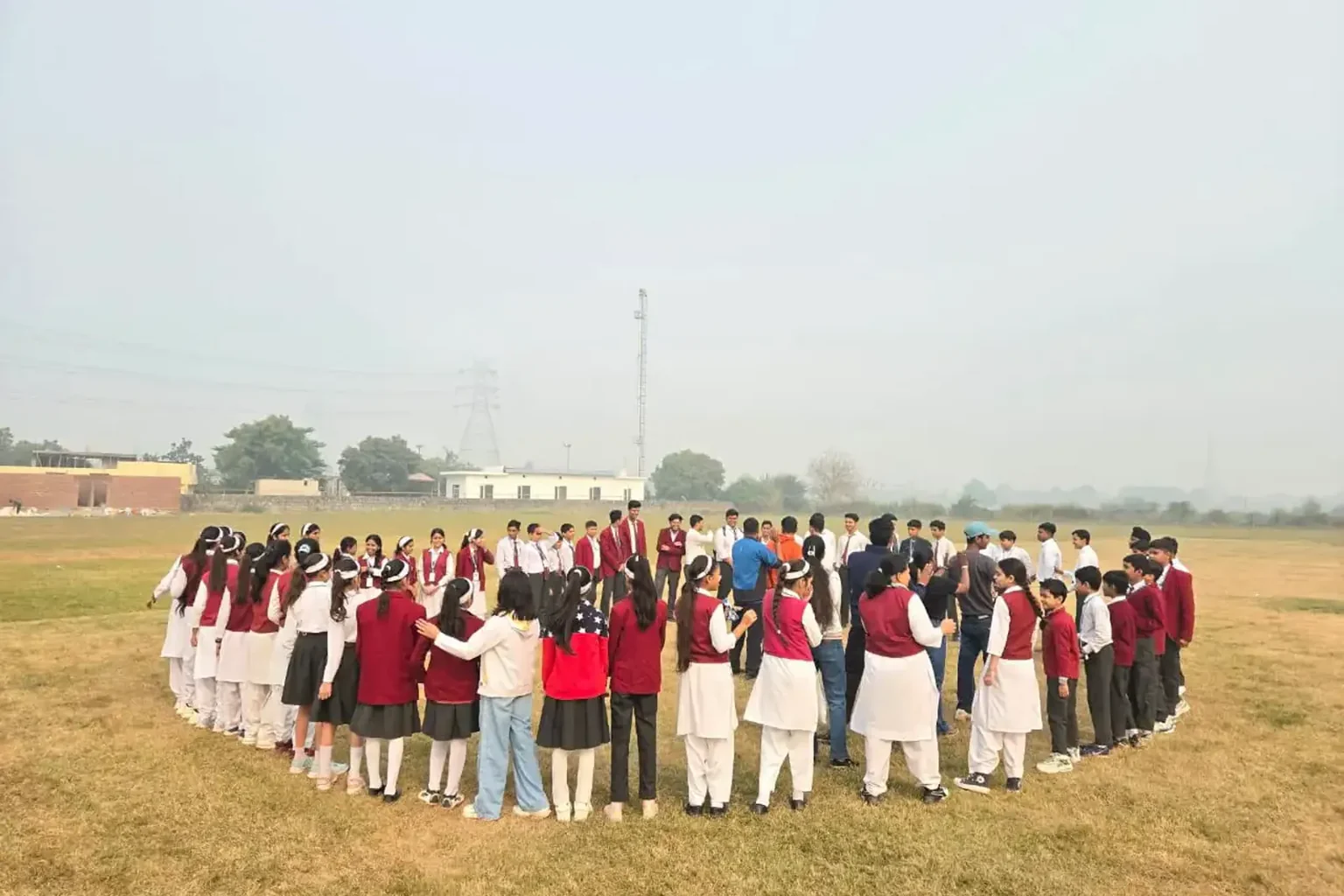
For example, younger and older classes may share a picnic day but need different briefings and transition time. Ask the coordinator to show their starting stations and meeting points separately, using the real numbers and teacher allocation. Keep the meal service connected to those rotations so no class is expected to finish a station and arrive for food at the same instant. Discuss how a student who sits out remains supervised within the group. If an activity changes, identify who communicates the revised sequence to teachers. A workable rotation should still be understandable after a small delay; the school should not have to redraw the whole day whenever one group needs additional time to move.
Your planning checklist
| Decide | What to record |
|---|---|
| Class totals | Provide student and teacher numbers by class before rotations are proposed. |
| Suitability | Confirm requirements and alternatives for the actual station and age mix. |
| Movement | Agree on starting groups, transition time, meal breaks and regrouping points. |
Check the ₹800 school package and its inclusions
The school picnic package is ₹800 per student, with GST extra. The published plan includes 12–14 age-appropriate activities, welcome snacks, lunch, evening snacks, entertainment and departure juice or a goodie pack. One accompanying teacher is complimentary for every 10 students. The school page lists a minimum group of 40 students; discuss a different headcount directly with the coordinator.
Read the school outing package alongside your dated proposal. Confirm the activity rotation, menu, teacher arrangements and supervision responsibilities for the actual classes attending. ATV riding and paramotoring are excluded and require separate arrangements. A sample timetable is a planning reference; your bus arrival and school return requirements need an agreed schedule of their own.
Make the arrival and enquiry practical
Veda Adventures is on Shafipur Road, beside Peter’s Ranch, in Sector 150, Noida, near the Noida–Greater Noida Expressway. The displayed park hours are 8 AM–8 PM; confirm your group reporting time or booked activity slot. Check the route for your actual departure point and keep the venue contact with the person managing the journey.
Send the team your preferred date, headcount, age mix, priorities and meal needs in one message. Add an arrival window and a realistic return requirement. Ask for any must-have experience and its inclusions to be confirmed before finalising the rest of the day. Keep the response with your organiser so every guest receives the same information.
Frequently asked questions
Why send class-wise numbers rather than one total?
They help the coordinator plan suitable station groups, teacher allocation and activity transitions.
Can students sit out a station?
Agree on suitable alternatives and supervision so they remain part of the coordinated group plan.
Is an activity list the same as a rotation plan?
No. A rotation also explains groups, sequence, transitions and where students regroup.
What should the school approve before the trip?
Approve the activity and meal sequence, supervision responsibilities, alternatives and arrival and return arrangements.
What makes a class rotation workable after a delay?
Clear starting groups, named teacher contacts and known regrouping points help the coordinator adjust the sequence. Ask who communicates a change and which parts are flexible, while keeping food, supervision and the return requirement in view.